Mom Wellness
Postpartum Healing Timelines: What’s Normal and What Takes Time
Postpartum healing is a gradual process, not a fixed deadline. While many people talk about the “six-week recovery,” the reality is that physical and emotional healing continues well beyond that point. In the early weeks, your body is recovering from pregnancy and birth while adjusting to significant hormonal shifts.
In the first days and weeks, it’s normal to experience uterine cramping, vaginal bleeding, soreness, fatigue, and swelling. These symptoms typically lessen over time, but their pace varies widely. If you had a C-section, incision healing and abdominal recovery may take longer and feel different than vaginal birth recovery.
Pelvic floor muscles, abdominal muscles, and joints all need time to regain strength and stability. Gentle movement and rest are both essential during this phase. Emotionally, many moms notice sensitivity, mood swings, or feelings of vulnerability as hormones fluctuate.
Fresh Start Mom emphasizes that recovery is not linear. Some days feel better than others, and that variation is normal. Healing is about listening to your body, accepting help, and avoiding pressure to “bounce back.” With time, patience, and support, strength and balance gradually return.

Baby Blues vs. Postpartum Depression: Knowing When to Seek Support
Emotional changes after birth are common, but not all mood shifts are the same. The “baby blues” affect many new moms and typically begin within the first few days after delivery. Symptoms may include tearfulness, irritability, anxiety, or feeling overwhelmed. These feelings usually peak within the first two weeks and then ease on their own.
Postpartum depression, however, is more intense and longer-lasting. It may involve persistent sadness, hopelessness, difficulty bonding with your baby, changes in sleep or appetite, or feeling disconnected from yourself. Anxiety and intrusive thoughts can also be part of postpartum mood disorders.
The key difference is duration and impact. If symptoms last beyond two weeks, worsen, or interfere with daily functioning, support is essential. Seeking help is not a failure — it is a proactive step toward wellness.
Fresh Start Mom encourages open conversations about mental health. Talking with a healthcare provider, therapist, or trusted support person can make a meaningful difference. Postpartum emotional health matters just as much as physical recovery.
Restoring Energy Through Nutrition, Hydration, and Micro-Rest
Fatigue is one of the most common postpartum challenges. Interrupted sleep, physical recovery, and constant caregiving demands can leave moms feeling depleted. While full nights of sleep may be limited, small strategies can help restore energy.
Balanced nutrition supports healing and stamina. Regular meals that include protein, healthy fats, and complex carbohydrates help stabilize blood sugar and prevent energy crashes. Hydration is equally important, especially for breastfeeding moms, as fluid needs increase significantly.
Micro-rest — short periods of intentional rest — can be powerful. Sitting quietly, closing your eyes for a few minutes, or stepping outside for fresh air can help reset your nervous system. These moments may seem small, but they add up over time.
Fresh Start Mom promotes realistic wellness. Energy returns gradually, and caring for your body in simple, consistent ways supports that process without adding pressure.
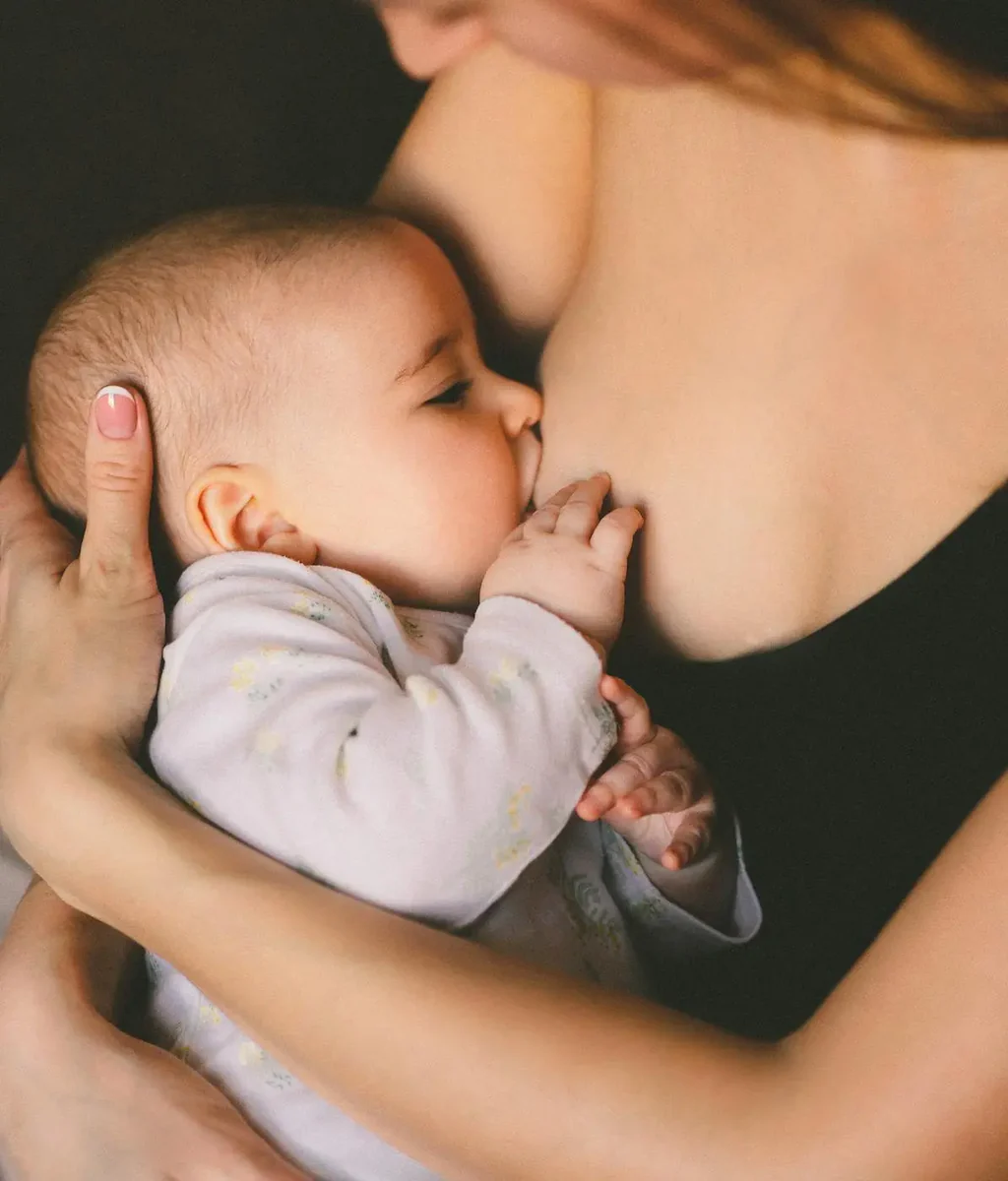
How Breastfeeding and Pumping Affect Appetite, Sleep, and Mood
Breastfeeding and pumping place unique demands on the body. Milk production requires additional calories and fluids, often increasing appetite. Hunger may feel more intense or frequent, especially during growth spurts.
Sleep patterns are also affected. Night feeds disrupt rest, and hormonal changes related to lactation can influence sleep quality. Some moms feel calmer during breastfeeding due to oxytocin release, while others may experience emotional dips after feeding sessions.
Pumping adds another layer of scheduling and physical demand. Finding a rhythm that supports both feeding goals and personal well-being is essential.
Fresh Start Mom emphasizes that feeding choices should support both baby and mom. Nourishing yourself, resting when possible, and seeking support can help balance the physical and emotional aspects of breastfeeding and pumping.